Drainage in Petersfield
Petersfield is a historic Hampshire market town on the edge of the South Downs, about seventeen miles north of Portsmouth. Its drainage comes from its downland setting, not any coastal or mining influence. The town sits in a gap in the chalk and greensand hills, near the South Downs and Butser Hill. Because of this, knowing how surface water moves off the higher ground matters most here.
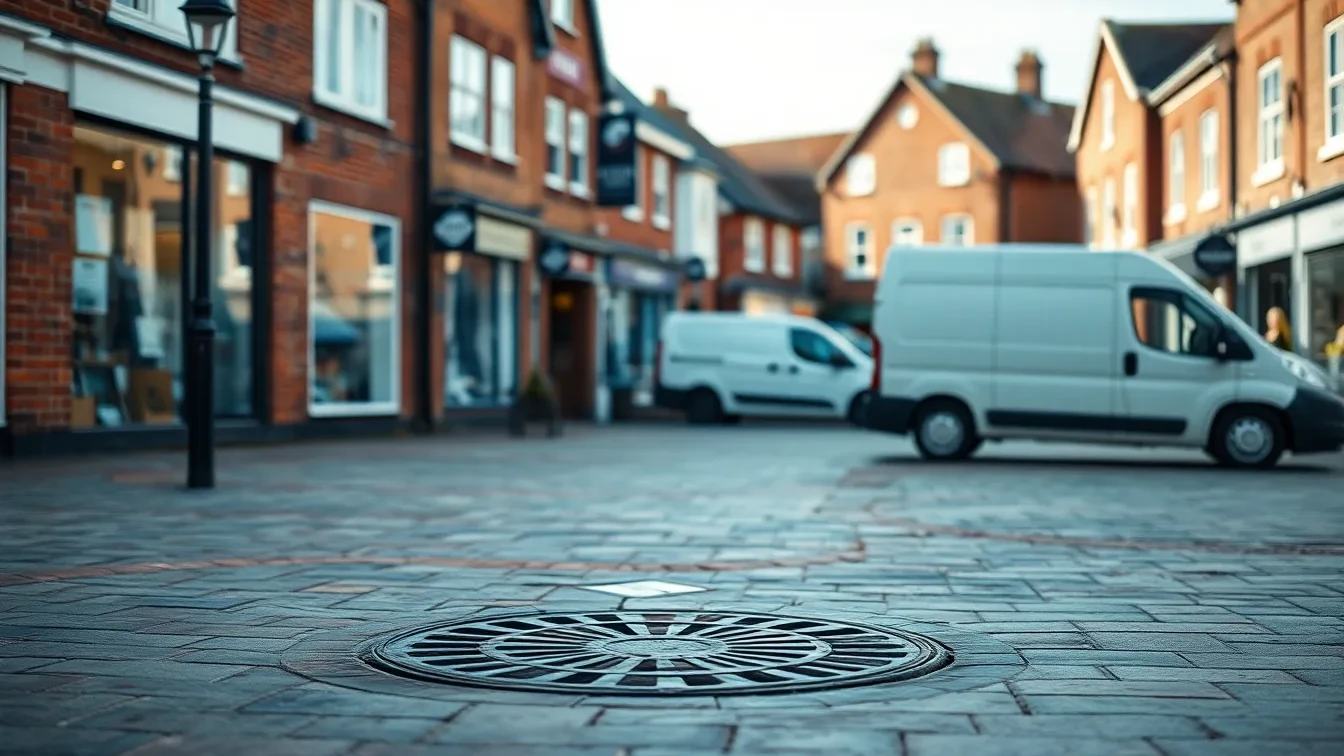
The historic core around the Square and St Peter's Church has period clay drainage, some over a century old and much modified. This old pipework feeds the public sewer and needs careful handling during repair. Since the old town is so densely built, some runs pass beneath historic buildings and paved streets.
Petersfield Heath, with its large pond on the town's south-eastern edge, marks naturally wetter, low-lying ground there. Homes near the Heath and the lower streets can see surface water collect in heavy rain, mainly when run-off arrives from the downland. Good drainage care, clear gutters, gullies, and proper garden grading, is therefore especially important here.
The 20th-century housing that expanded the town, out towards Sheet, Stroud, and newer estates, includes mid-century pipework from the era when pitch fibre and early clay systems were common. This pipework now reaches an age where upkeep matters more. Meanwhile, mature trees in the town's gardens and streets are a recurring source of root intrusion into ageing clay drainage.
New building on Petersfield's edges uses modern drainage built to today's rules. However, more hard, sealed surfaces can add extra water flow into the old network during heavy rain.
Petersfield's drainage mixes a fragile historic core, downland run-off from higher ground, ageing mid-century pipes, and modern growth. Because of this mix, homes benefit from expert assessment. This should account for the town's chalk-and-greensand setting on the edge of the South Downs.