Drainage in Lee-on-the-Solent
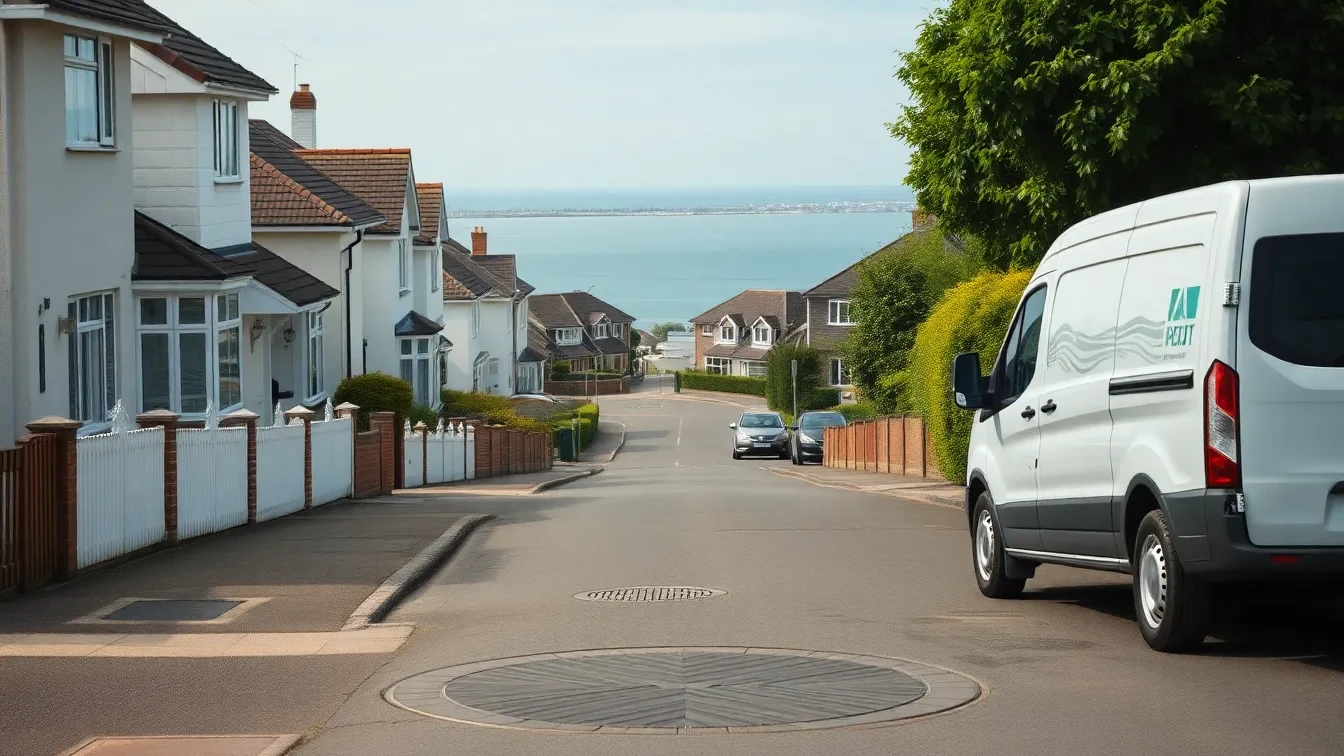
Lee-on-the-Solent is a flat, sea-facing town on the Solent near Gosport, developed mainly in the late-Victorian and Edwardian era as a seaside resort. There is no big high ground here; the town runs along the shoreline. Because of this, surface water care and a high, sea-influenced water table are the main concerns for owners.
The Victorian and Edwardian villas along the seafront went up when the resort grew around its pier and pleasure grounds. Builders later split many into flats, though they still use original clay drainage that is usually over 100 years old. Because these runs sit on flat, near-sea-level ground with little fall, silt settles and blockages form more readily.
Tree root intrusion is a common challenge in Lee-on-the-Solent's mature gardens and tree-lined roads. Roots seek out moisture in ageing clay pipes, entering through worn joints and hairline cracks, and can fill a large part of the pipe before any blockage is obvious. Preventative root cutting and relining are therefore the most effective long-term fix.
Because the town sits right on the Solent, salty air speeds up rust on exposed cast iron pipes, vents, and soil stacks. The high water table also keeps underground drainage damp for much of the year. Homes nearest the seafront face the most exposure and the highest risk of surface water backing up in a storm.
Many large villas in Lee-on-the-Solent have split into several flats, so they now share drainage built for one home. Because several owners must now share the upkeep, this can be hard to coordinate. These issues mainly affect flats in converted villas.
The former RNAS Daedalus site, now Solent Airport, and the newer housing around it add more modern drainage that connects into the older network. Well-kept drainage protects period seafront homes from damp-related damage and higher emergency repair costs. Preventative upkeep is therefore mainly worthwhile here.