Drainage in Chichester
Chichester is a historic cathedral city in West Sussex, well east of Portsmouth and a separate city in its own right. Its compact, walled core sits on gently rising ground, with low land falling towards Chichester Harbour. Georgian and Victorian housing fills the city centre, inland of the coast. However, the harbour edge brings a high water table and tidal flow to the southern edge.
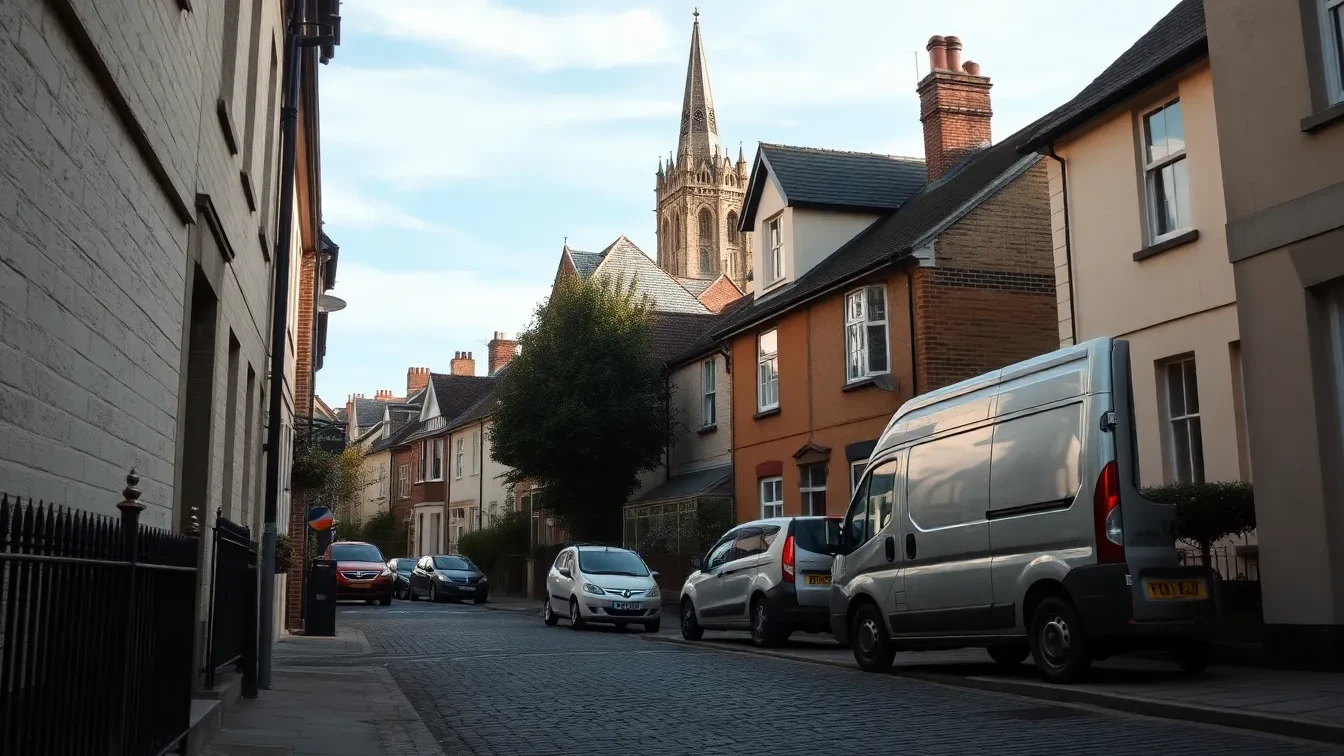
The heart of the city sits within the old walls, near the Cathedral and the Georgian streets of the Pallants. Homes here have period clay drainage, sometimes centuries old, with many patches added over time. This pipework feeds into the public sewer network. Because the old core is so packed with buildings, digging up drain runs usually proves disruptive.
Towards Fishbourne and the harbour, the ground sits low, close to sea level, with a high water table. Homes here face surface water and tidal-backup risk when heavy rain meets a high tide. Since pipes sit in damp ground, this speeds rust in older cast iron and lets groundwater seep through failed joints.
Chichester's mature gardens, mainly in the leafier streets towards Summersdale, are a source of tree root intrusion into ageing clay drainage. Since roots seek out moisture through worn joints, flow gradually narrows over time. Preventative root cutting and relining remain the most effective long-term fix.
Modern housing on the edges of the city carries contemporary drainage built to current standards. However, it still connects into the older network serving the historic centre. This creates transition zones where new pipework meets old.
Chichester has a distinctive character: a compact cathedral city with a low-lying harbour edge. This demands particular drainage skill. Specifically, it means fragile period pipework, a high water table, and tight historic streets.